Sharing some responses from others who’ve benefited from fasting
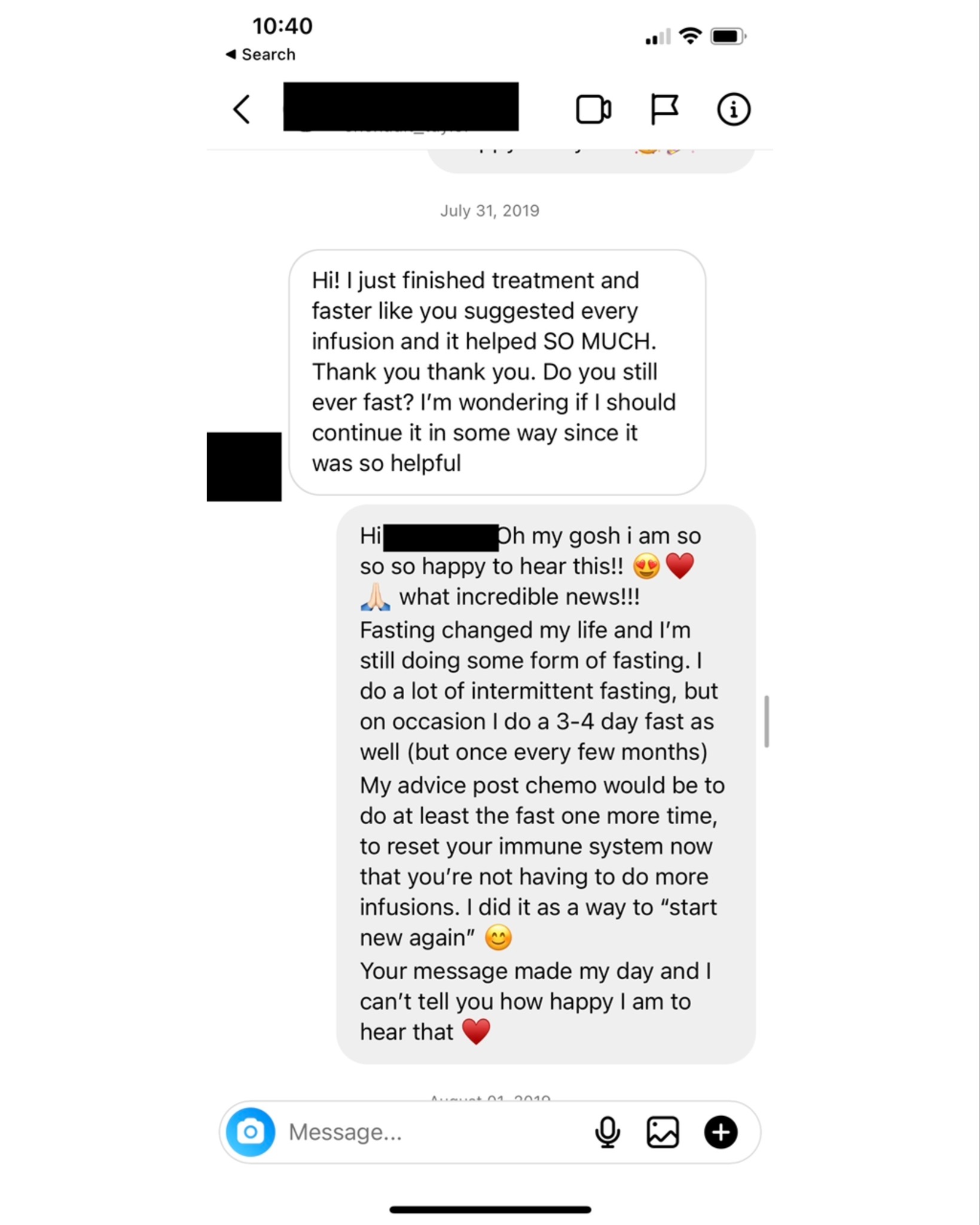


Sharing some responses from others who’ve benefited from fasting
In September 2017, I was diagnosed with Stage 2 Hodgkin’s Lymphoma, which is Cancer that starts in the Lymphatic System. After my oncologist went over my treatment protocol, which included 6 months of ABVD chemotherapy treatments, one of the side effects of the regimen included hair loss. Knowing I would most likely lose all my hair, I decided to cut it shorter and shorter, until I decided to shave it off.
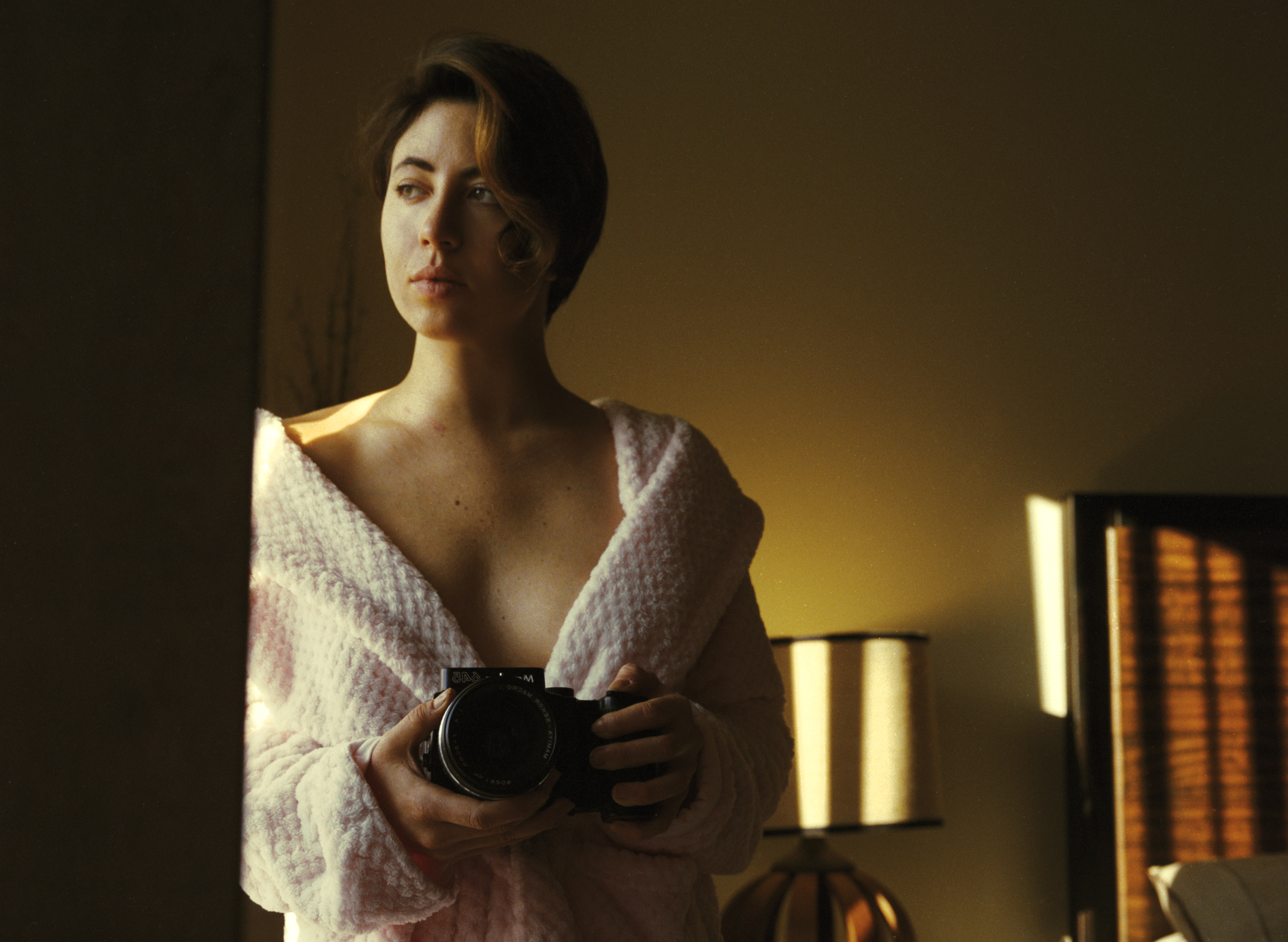
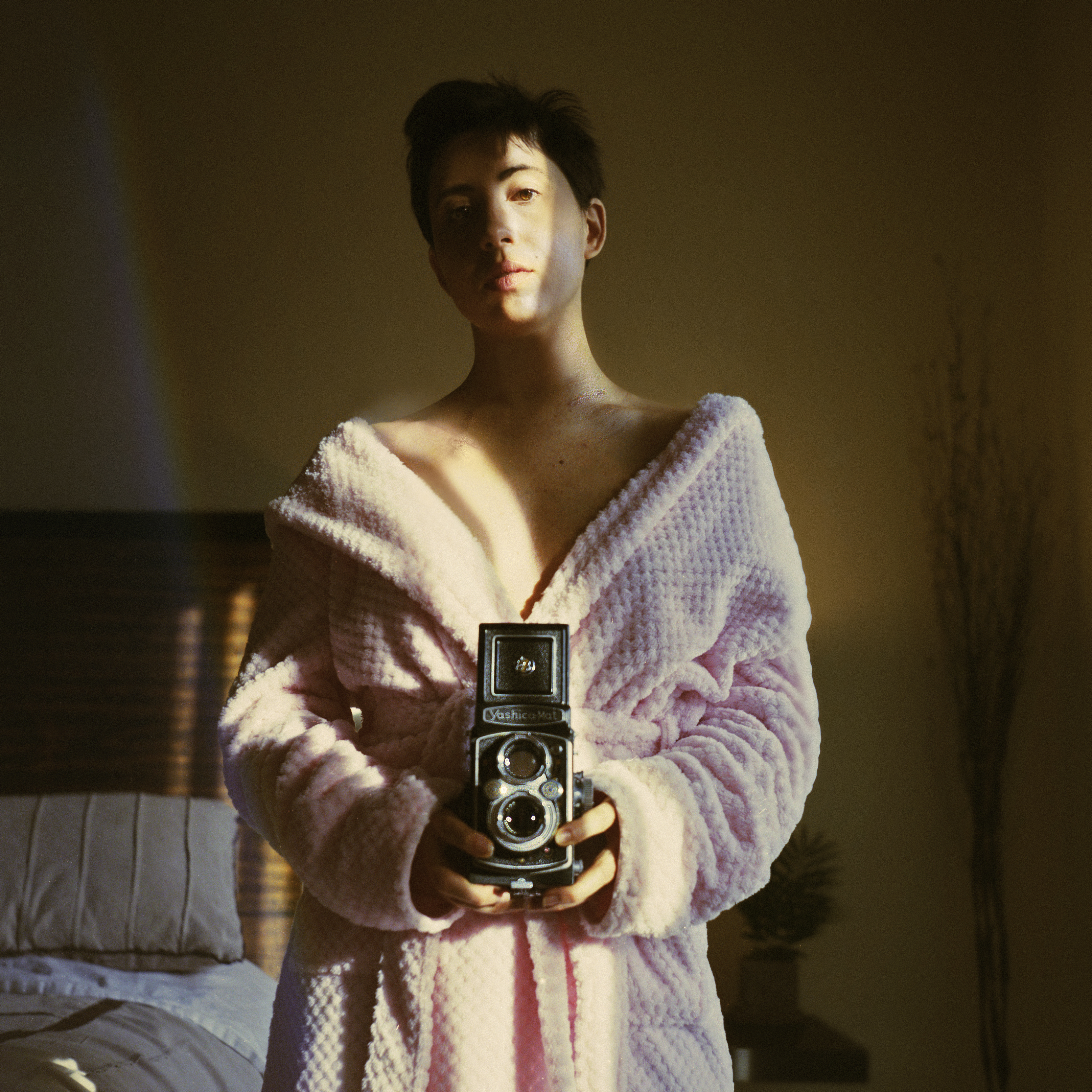
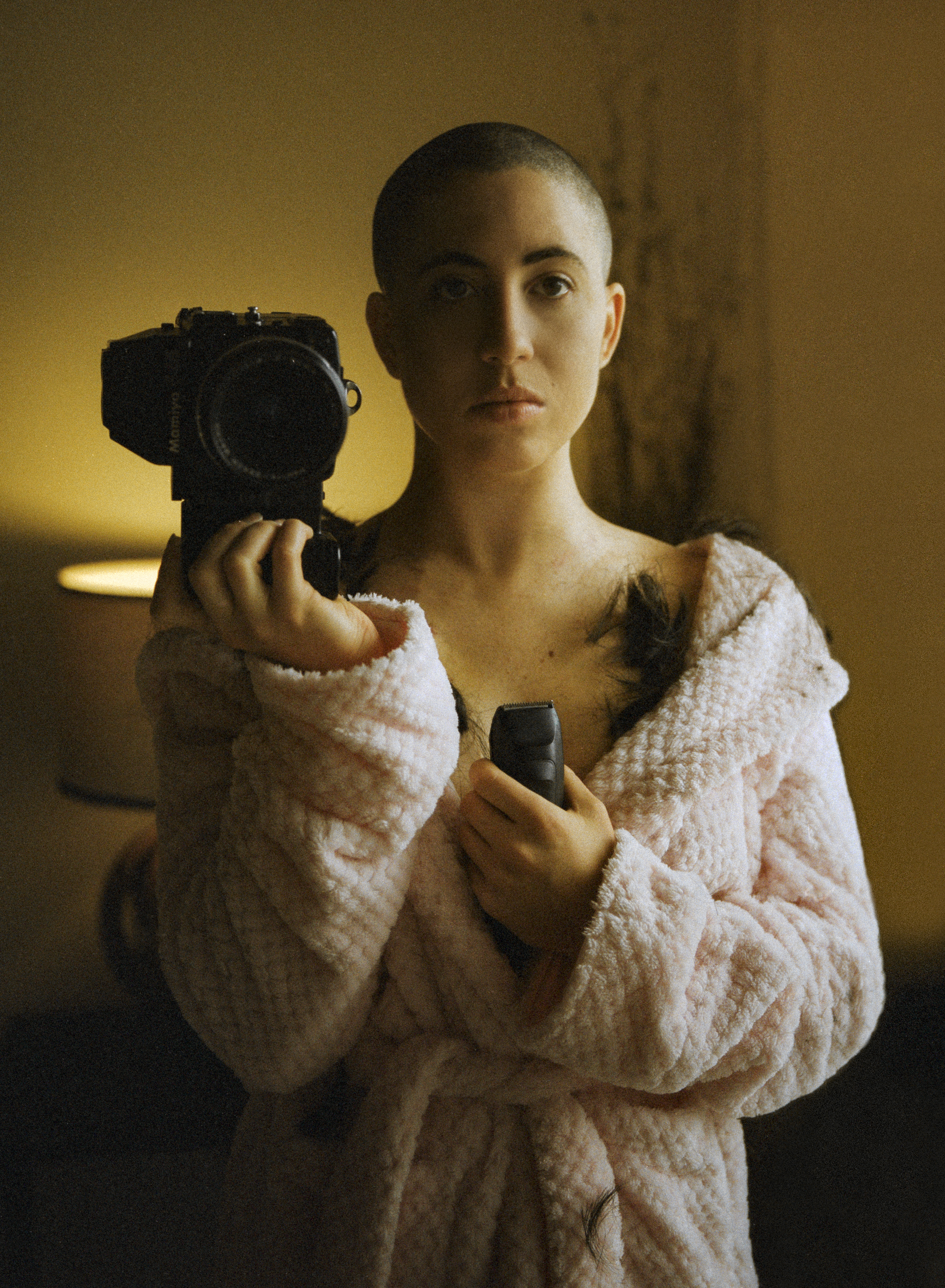
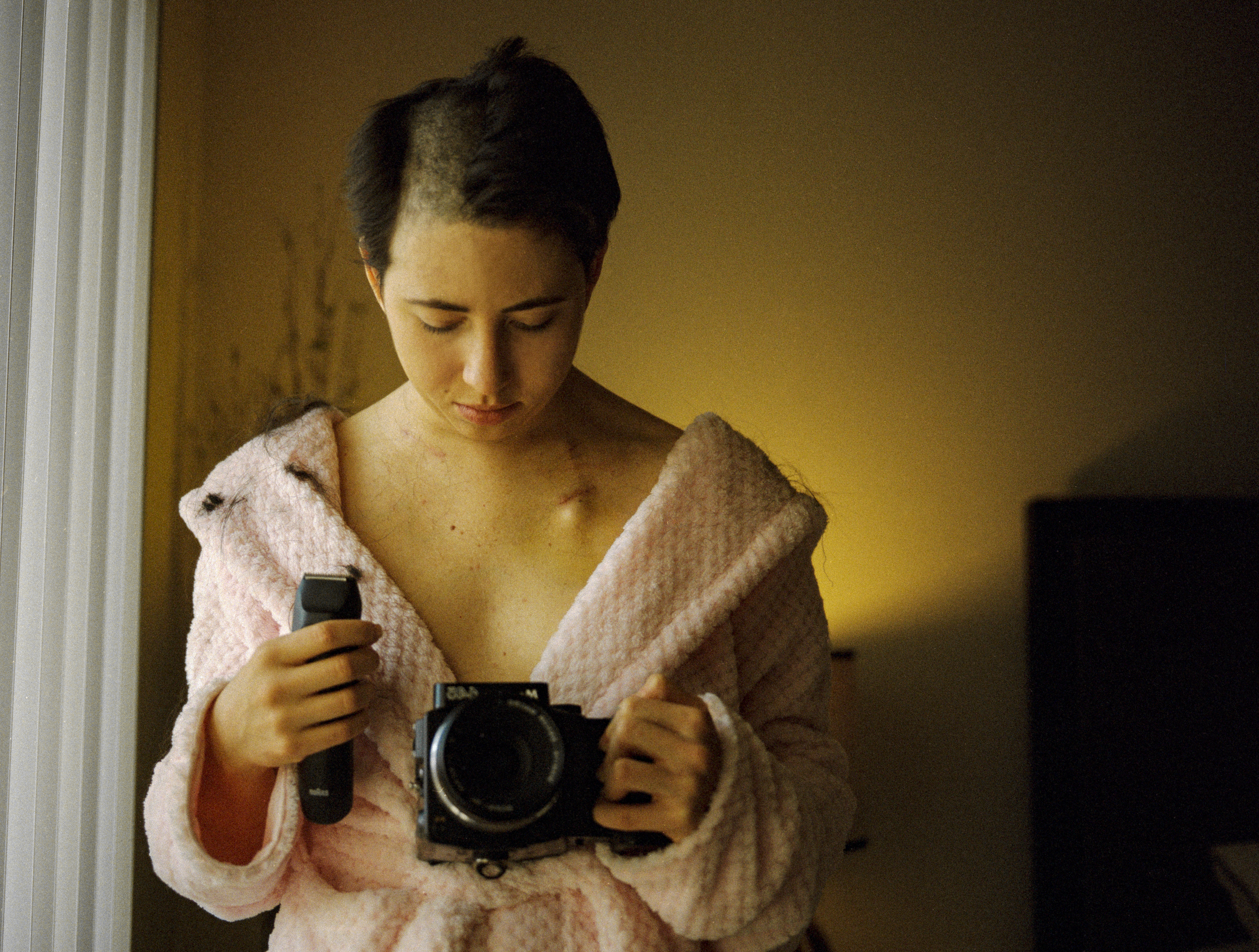
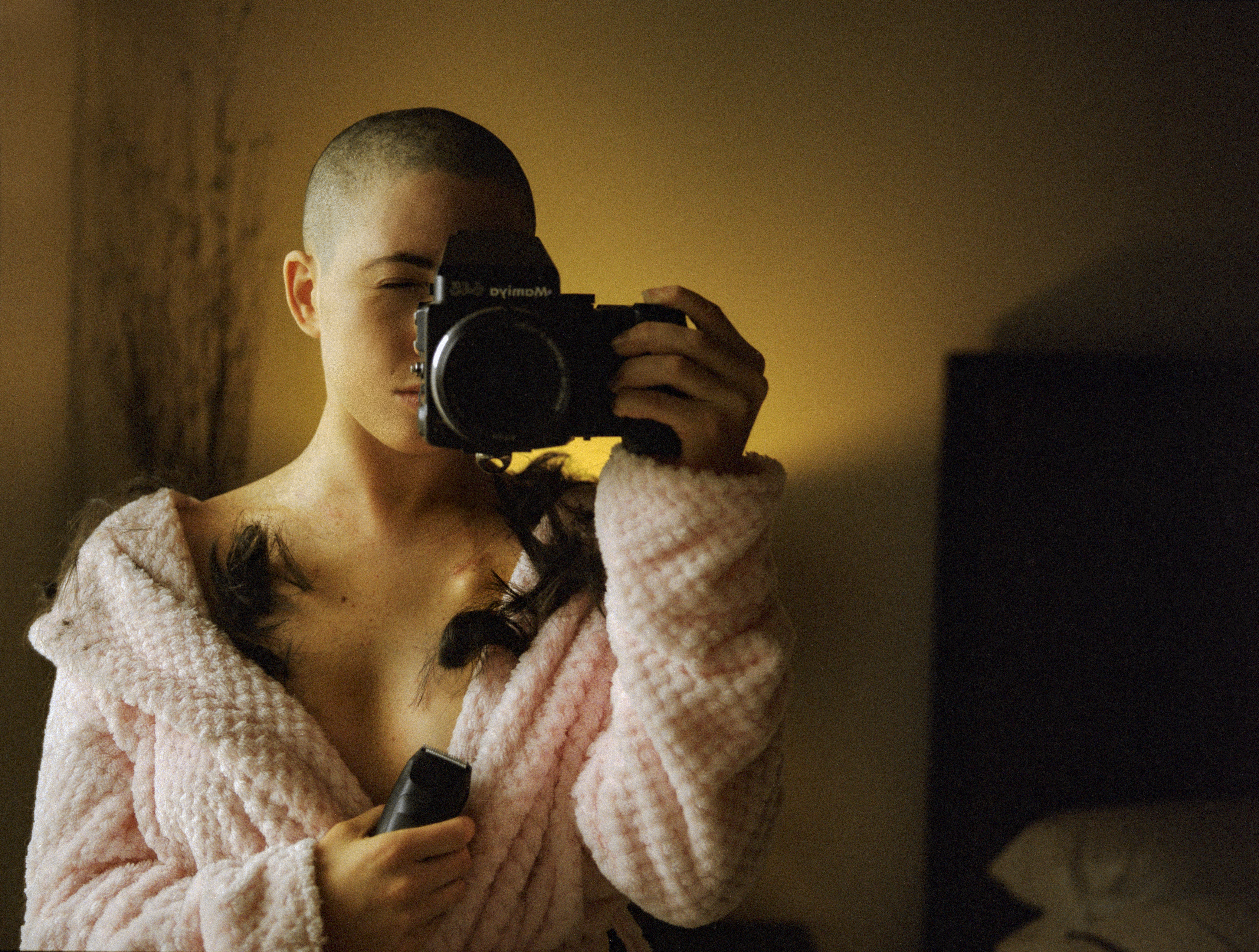
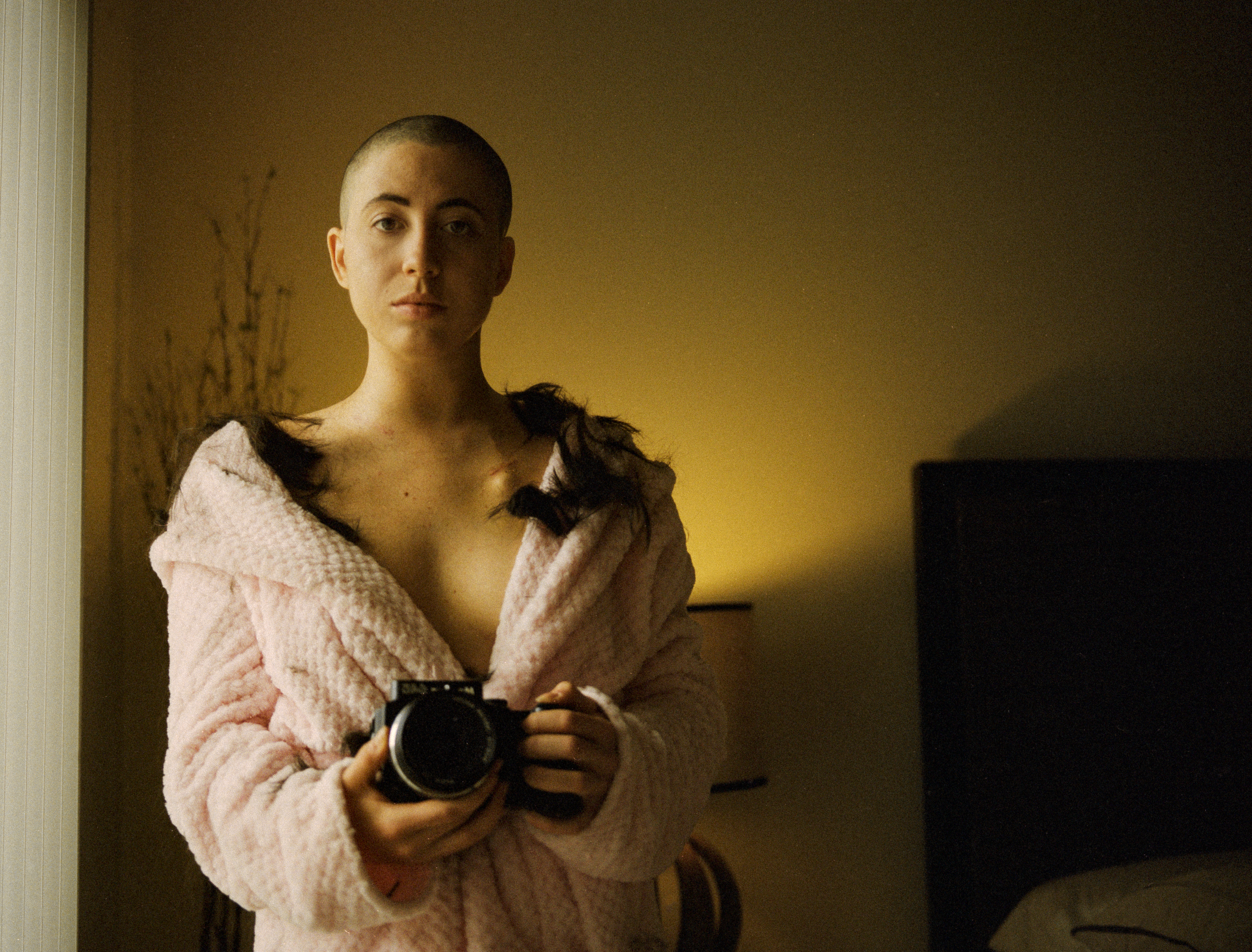
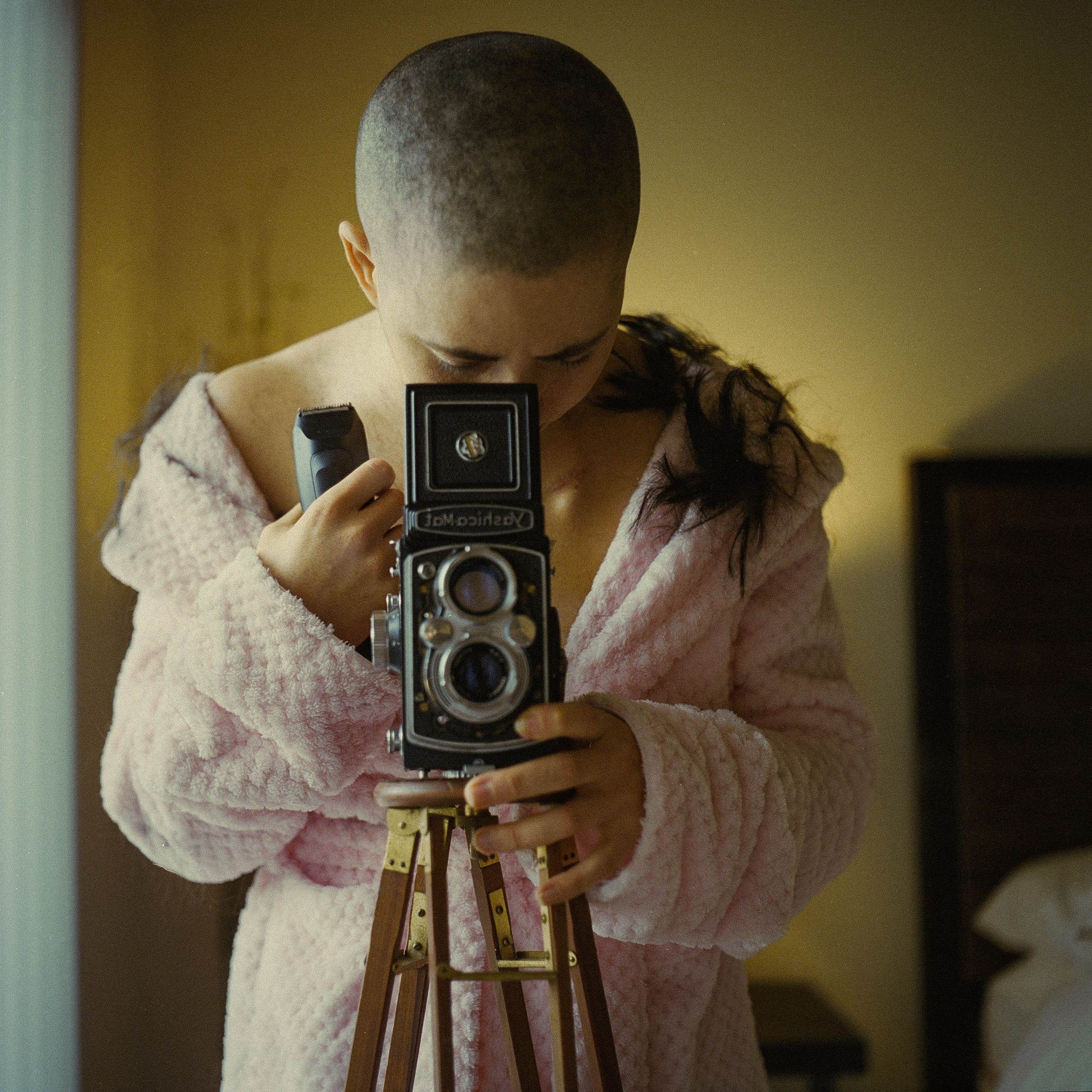
I began documenting this journey through a series of self-portraits, shot on Kodak Portra 400 film. One of my favorite things about film, is its graceful imperfections, it was a representation of how I felt at the time.
The series began early November 2017 (photo 1) when I cut my hair from shoulder-length to that and had my Biopsy which confirmed Hodgkin’s Lymphoma. A month later, I cut it even shorter (photo 2), that’s when my port-a-cath was freshly put in. The last photo was when I shaved my head on Christmas morning, one week before beginning chemotherapy
“We either make ourselves miserable, or we make ourselves strong. The amount of work is the same.”
― Carlos Castaneda
*DISCLAIMER* I am not a licensed physician nor in a position to give any medical advice. This is solely my PERSONAL experience with fasting & chemotherapy. I’m simply sharing this information in case it may help others find alternative solutions to coping with side effects from chemotherapy.
PLEASE NOTE: Fasting should always be done under the supervision of your Doctor, Oncologist and Nurses. My first Oncologist was not on board with the idea I would fast during my chemo treatments, but my second Oncologist was open to it, as they were closely monitoring my bloodwork. You have to let your Oncologist and Nurses know you’re fasting, because the bloodwork will reveal information (low glucose levels, etc….) which may be alarming to the Hospital Staff and they may not want to give you your chemo infusion. Once my team knew I was fasting, I was given the clearance to administer my chemo infusions regardless of the bloodwork.
When chemo enters our bodies, our normal healthy (non-cancerous) cells are already in the process of saving energy and recycling new immune system cells, while the cancer cells are the opposite, being active, using lots of energy, and thus, get weaker. So when chemo enters the body, our cancer cells are quick to absorb the drug, resulting in a more effective method to break down the cancer cells. Not only does this naturally result in a more effective cancer treatment, but fewer of our normal cells get affected in the process. Without fasting, both cancer & normal cells get broken down, but with fasting, the cancer cells take more of the damage.
If you fast for 3/4 days, before eating your first meal:

Some people ask if I still continue to fast even after my chemotherapy treatments, and the answer is yes! I don’t do it as often, but seeing the incredible benefits for myself, and knowing personal stories of sharing fasting with others and hearing great results too, fasting has a big place in my heart. I did a 4 day fast after after my last chemotherapy treatment as one final “reset” of my body, and for old times‘ sake 🙂
Peace, love & beets!
♥ Fio
After my oncologist went over my treatment protocol, which included 6 months of ABVD chemotherapy treatments, one of the side effects of the regimen included hair loss. Knowing I would most likely lose all my hair, I decided to cut it shorter and shorter, until I decided to shave it off. I know some patients that tried the Chemo Cold Caps, but didn’t have much success with it. I didn’t even bother with trying any alternatives, or finding ways to preserve my hair. I decided to embrace this new journey head on, literally 😉 My goal was to focus on the inside, being happy and healthy.
If you’re undecided about shaving your head, hopefully this helps 🙂

I made a layout to show the hair loss/growth for any of you wondering what it’s like.
Nov 5th, 2017: Cut it from shoulder-length to photo-length (below)
December 25th, 2017: Shaved my head
June 22nd, 2018: Last Chemotherapy Treatment

Up until November 2017, I had shoulder-length hair. When I was told in September that I needed to start chemotherapy and that one of the side effects was hair loss, I began to cut it down until I decided to shave it.
I shaved my head Dec 25th 2017, and by a couple of chemo infusions, my hair had already started to thin out (you can see it especially in the March 28th pic)
I’m glad I shaved my head because having my hair grow back was something that I looked forward to, instead of dreading the days where I’d have my long hair but begin to lose it in chunks and/or see it gradually thin out. It made a huge difference mentally too and I recommend shaving it for anyone that’s been told hair loss is a side effect of the chemo.
As the months go by in the early stage of my chemo treatment, you’ll see that my hair begins to grow back, but as the chemo begins to damage the hair cells too, the hair grows back thinned out.
But then something really cool happened…
As some of you know, I was fasting for 4 days (only water) throughout each of my chemo infusions every 2 weeks, to help with the side effects. Not only did it help with all of the side effects (nausea, acid reflex, jaw/head aches, mouth blisters, etc… I could go on!) But my hair started to grow mid-treatment 💁🏻♀️
Fasting honestly saved my life. It’s something I’ve shared with many other patients, and I love hearing how much others are benefiting from it also ♥️
Read more about Fasting for Chemotherapy side effects here.

🎈2️⃣8️⃣🎉 I had an INCREDIBLE 28th birthday!  It’s seriously going to be so difficult to top this birthday because there were so many things to celebrate. Not only did I get to celebrate it in the Bahamas on a shoot, but I got THE BEST special present this year…
🎁🎁🎁
Just a few weeks ago, my PET scan came back clear, there’s no signs of cancer and I’m officially in complete remission 🙏🏻 I know some of you have been asking after my last chemo, what’s next? and so I wanted to update you all ♥️
This means that I’m 100% back to my regular life before the diagnosis 🙌🏻 Wheeeee! It’s been honestly one heck of a year for me. So many different feelings and emotions that I’m still processing everything. I don’t regret a single day since the diagnosis because it didn’t only change my life, it saved me. The “horrible” days made the “okay” days, the best…days…ever. And the amazing days? You can only imagine!
 🤩
🤩
I learned the most important lesson of my life. Long post I know, but written with hope that it reaches the right person..
Last October, I was told I would be too sick to work, too weak of an immune system to be in large parties, airports, gyms. That I should forget about wanting to travel. I was told I would lose all my hair and have side effects from A-Z. Then have prescription medications for each one of those reactions.
When I heard all of this, it devastated me and it completely crushed me. I felt like I was about to lose my identity and ability to enjoy life, and I hated the thought of putting my career on pause. Especially when I felt things were finally starting to kick off for me. I’m not gonna lie, I cried my eyeballs out. It affected me for a few days until I said “Alright, that’s enough”… I cleared my mind, shaved my head, and had a game-plan 👊🏻
During my chemo treatments, I’ve worked harder than I ever have before and it’s been, by far, the most fruitful year of my career yet. I’ve been healthier, going to the gym and having a more active lifestyle even since before the diagnosis. I’ve been enjoying life to the fullest, going to way more events and parties, lots of airports and travel. By the 2nd treatment, my 10 drug prescriptions were put away and I had no more use for them. My hair didn’t fall out, in fact, it grew back in the middle of my treatment (for those of you that know about my fasting, I will be sharing a post on that sometime soon) Even my hair that started to thin out and fall out was like “we got this!” and my hair eventually started to full on sprout back in action. I liked to think the few hairs I had left as little Spartans holding on for their dear life! 🏇🏻🛡🗡I laughed at myself and found a way to bring humor into all the ways chemo affected my body. My favorite quote by Carlos Castaneda is: “We either make ourselves miserable, or we make ourselves happy. The amount of work is the same.”
💪🏻
I didn’t let what was told was going to happen to me dictate my life. The paper that was handed to me that listed all my side effects was not a contract.
Cancer was in the background and out of focus
Life was in the foreground.
I ignored everything and lived only day to day, making sure every day was better than the previous one. I took that seriously, like it was my job, to push myself and only focus on improving each day instead of thinking of the overall picture.
I guess what im trying to say is, I didn’t let myself fall into a statistic. We’re not numbers, we are humans after all. Everything the oncologist had told me was based off of patient history numerical data. In a mathematical equation, you can also be an odd number and not the median.
When I truly believed that it was possible, I felt like nothing could stop me. For anyone going through a tough situation, you will get through it. I promise ♥️🙏🏻
#hodgkinslymphoma #lymphoma #cancer #chemo #chemotherapy


Changing my diet changed my life.
“Let food be thy medicine and medicine be thy food” – Hippocrates, the father of medicine.
I’m not a nutritionist by any means. I’m just sharing this blog post to simply show how much of an effect a healthy lifestyle can have on our attitudes. When you’re diagnosed with cancer, you hear a lot that “a good attitude is half the battle”. But how do you get a good attitude? It takes a lot of learning, self-love, and acceptance. All of these things came naturally once I started living a healthy lifestyle, and basically giving my body all the love in the world. I always thought I was pretty healthy, but there were many things that I had to sacrifice to really show my body I was going to support it 100% throughout this entire process.
I never proactively thought about having a good attitude. I just know that in retrospect, I had a different outlook on things because my body was well equipped with the armor it needed in order to face this battle.
Before I started chemo, I went on a naturopathic diet that really changed my physical and mental wellbeing. The hope was that the holistic approach would cure my cancer and avoid having to go through Chemo. Unfortunately it didn’t work for me, but it has worked for others. But thanks to this healthy lifestyle, I went into chemo with my body and mind ready to fight.
So from mid August through December 25th, my diet evolved throughout the months as it got modified from time to time, but this eventually became my daily Holistic Approach, BEFORE I started chemo:
Next day, same thing all over again 😉
The NO’s:
WHAT TO EAT:
____________________________________________
Because chemo also affects healthy cells that line the digestive tract, my diet has shifted a little bit to accommodate those changes and make it as fluid and easy as possible for my body. The “WHAT TO EAT” from the list above still remains part of my diet.
The NO’s:
Important:
After each chemo treatment, I wait a week to continue with the coffee enema and supplements, so it does not interfere with chemo.
That’s all folks! 🙂
Christmas morning I shaved my head, since it was going to all fall out at some point during my chemo treatment. My family had known for weeks that I was planning on doing that before we all met up Christmas morning, and so when the door bell rang, I thought I was going to be the one surprising my family…
The joke was on me! 🙂 My papa shaved his head also and gave me the most beautiful Christmas gift I could ever ask for. Check out this video below.
❤


Every chemo treatment is different, and every body reacts differently, but please, please, please, consider getting your Port-a-cath put in. I’m on the ABVD chemo treatment, which I go in for every 2 weeks, and having this port placed was the best decision I could’ve made! I was skeptical about it for weeks, but after lots of research and talking to people who regretted not getting it (and hearing their horror stories, which I’ll describe below) I decided that the port was a GREAT idea.
Below are the PROS and CONS of having a port:
What is a port-a-cath?
“A device used to draw blood and give treatments, including intravenous fluids, drugs, or blood transfusions. The port is placed under the skin, usually in the chest. It is attached to a catheter (a thin, flexible tube) that is guided (threaded) into a large vein above the right side of the heart called the superior vena cava.”
– The surgery is NOT painful 🙂 You’re put under anesthesia and you don’t feel a thing. Within 45 minutes, I was out in the recovery room and the surgeon held a mirror to my chest and showed it to me. I was shocked to see how that port was put under my skin without having felt absolutely nothing at all. IMPORTANT: Once it’s put in, carefully follow the hospital’s instructions on how to take proper care of it for the next few days. They’ll talk you over it and they should give you a handout. You don’t want it getting infected!
-When you go in for your chemo treatment, all you feel is a poke on your chest and that’s it for the whole duration of your chemo infusions. Most people who have the chemo infusion going through the veins in their arm, experience a very strong stinging feeling in their arm, that’s because the veins in our arms are three times thinner than the ones in our chest.
Here are some personal stories I’ve heard from people not getting the port put in and instead having the chemo go through the veins in their arms:
-It’s not pretty and it’s a constant reminder of chemo. The pros far outweigh this! You can always cover it up with clothes and you won’t even notice it 😉
-You feel something pushing out of your skin (only for the first few weeks) and then you don’t even realize it’s there.
-I originally didn’t want to get the port because I hate feeling “limited” to do things. I thought having the port was going to make me feel that way, but in all honesty, it’s only limited me from playing soccer, racquetball, and sports like that, that could accidentally hit the port and that would be very bad. I can still put a camera on my shoulder no problem (phew) and go on walks, go out, and sleep comfortably.
– Even once your chemo is over and you’re in remission, you’re advised to keep the port for an extra 6 months. The problem is, if you still need to continue more chemo treatments but you don’t have the port anymore, they can’t place the port back where you had it initially. The surgeon will need to start the process all over again on your other side, which is why the suggest to keep it just in case. I’m definitely planning on following their advice.
-Wondering about the scar after the port gets removed? You got nothing to worry about 😉
Here is an update:

 Beets by Fio